
Optimal Timing for Fire Restoration
Fire restorations are most effectively performed following a fire incident, but the timing can vary based on several factors. Immediate response is crucial to minimize damage and prevent further deterioration of the property. Typically, fire restoration services are initiated as soon as it is safe and feasible after the fire has been extinguished. The process involves assessing the damage, removing debris, cleaning soot and smoke residues, and repairing structural elements.
Assessment should occur promptly after extinguishing the fire to evaluate the extent of damage and plan restoration steps.
Restorations are best scheduled when weather conditions are dry and mild, reducing risks of further damage during cleanup.
Spring and fall often provide optimal conditions for restoration work due to moderate temperatures and lower humidity.
Restoration should only commence once the property is deemed safe by authorities and professionals.
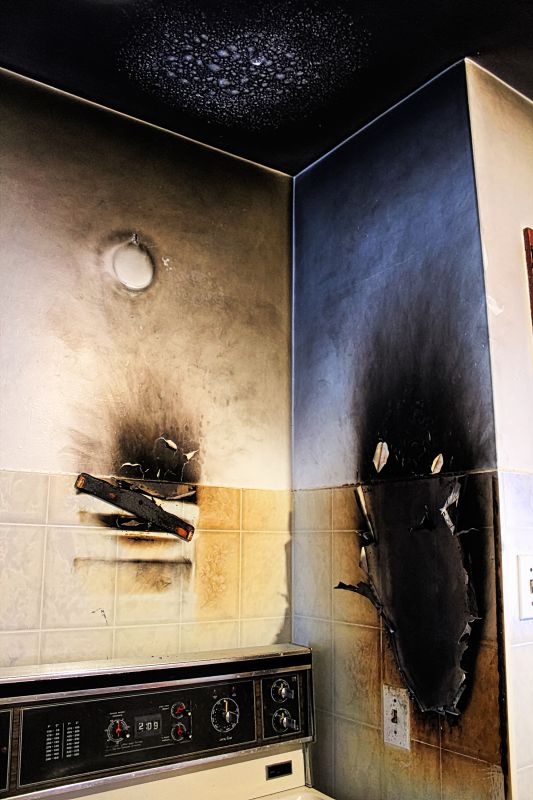
Inspecting soot and smoke residue on walls and ceilings after a fire.

Removing debris and soot from affected areas.
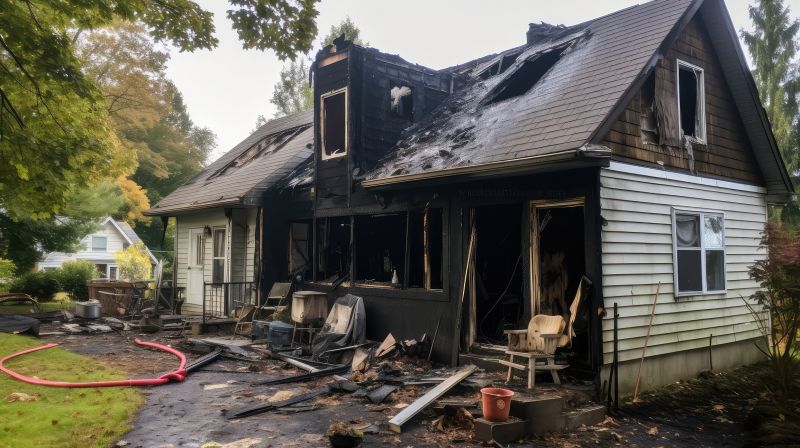
Reinforcing damaged structural components after a fire.
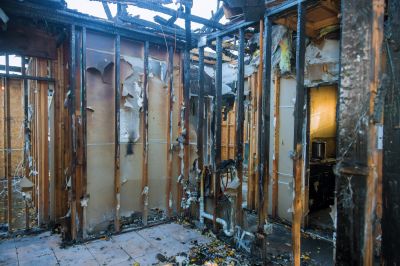
Ways to make Fire Restorations work in tight or awkward layouts.
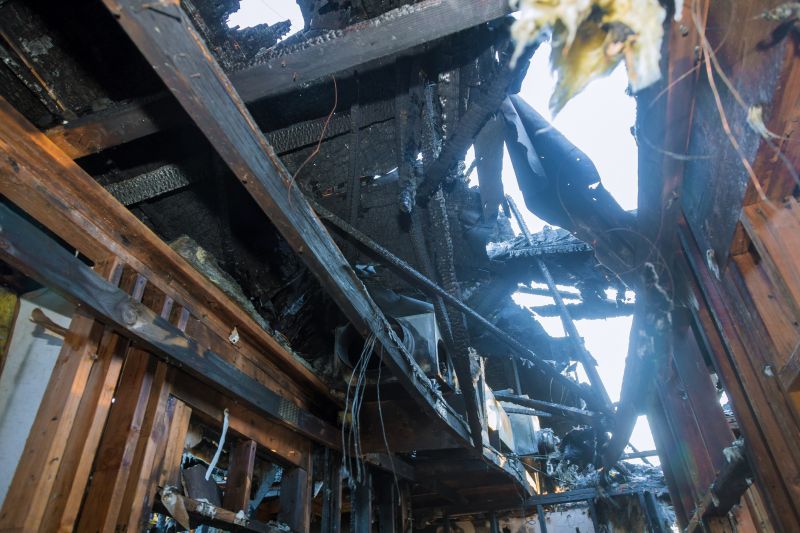
Popular materials for Fire Restorations and why they hold up over time.
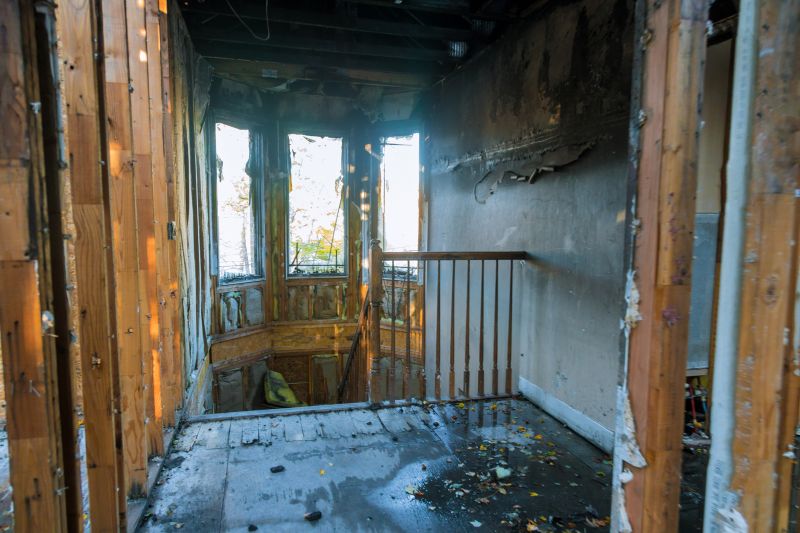
Simple add-ons that improve Fire Restorations without blowing the budget.
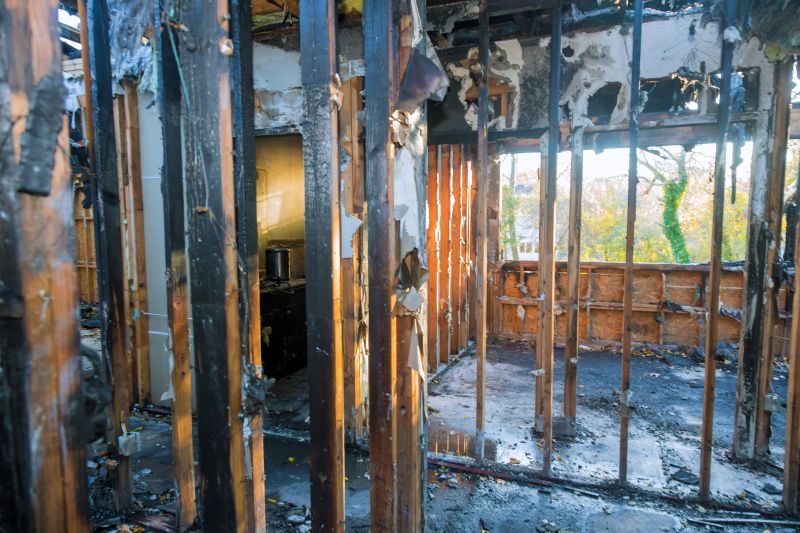
High-end options that actually feel worth it for Fire Restorations.
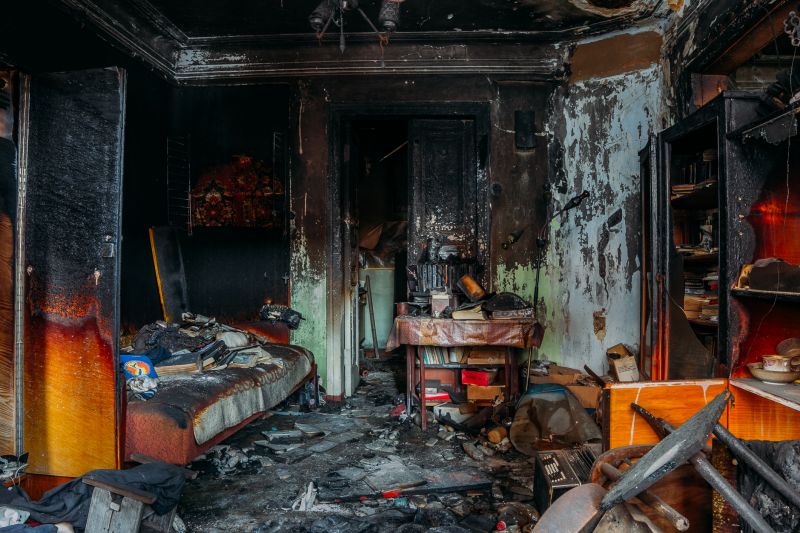
Finishes and colors that play nicely with Fire Restorations.
Fire restorations involve a comprehensive process to restore properties affected by fire incidents. This includes soot and smoke removal, structural repairs, and odor elimination. The timing of these services is critical to ensure safety, minimize further damage, and optimize the restoration process. Prompt action can significantly reduce costs and restore the property to its pre-fire condition efficiently.
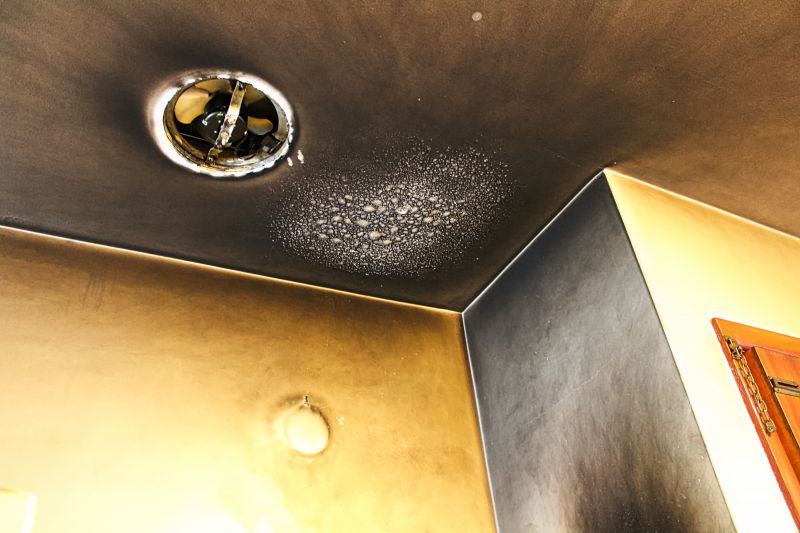
Removing smoke residues from walls and furniture.

Rebuilding and repairing damaged structural elements.

Using specialized equipment to eliminate persistent smoke odors.

Ensuring all restoration work meets safety and quality standards.

Little measurements that prevent headaches on Fire Restorations day.

A 60-second routine that keeps Fire Restorations looking new.
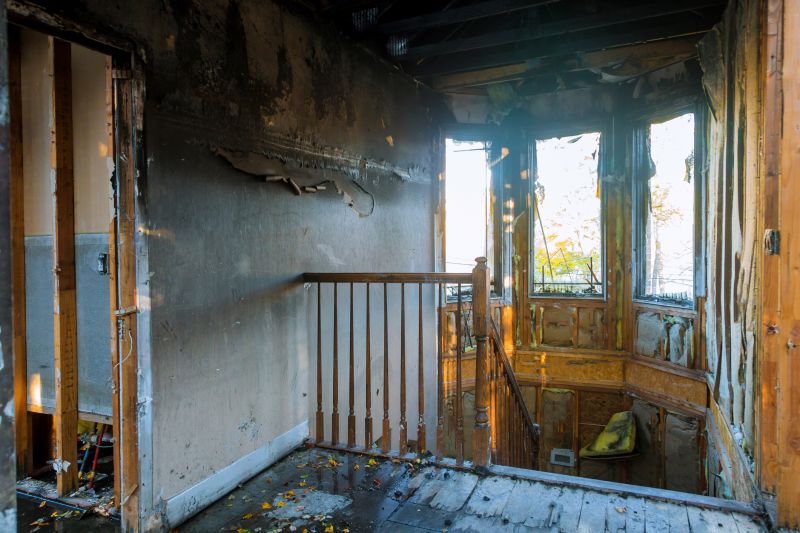
A frequent mistake in Fire Restorations and how to dodge it.

Small tweaks to make Fire Restorations safer and easier to use.
| Aspect | Details |
|---|---|
| Immediate Response | Critical for minimizing damage and starting cleanup. |
| Weather Conditions | Dry, mild weather supports effective restoration. |
| Seasonal Timing | Spring and fall often ideal for scheduling work. |
| Safety Clearance | Work should only proceed once the property is safe. |
| Long-term Planning | Off-peak seasons can reduce costs and scheduling issues. |
| Property Assessment | Initial evaluation guides restoration timing. |
| Extent of Damage | More extensive damage may require longer planning. |
| Availability of Resources | Restoration timing depends on resource readiness. |
Timely fire restoration is essential for minimizing property loss and restoring safety. Proper planning and prompt response after a fire incident ensure that damage is addressed efficiently and effectively. Consulting with restoration professionals can help determine the optimal timing based on specific circumstances and conditions.
Interested in fire restoration services? Contact to discuss options and schedule assessments for property recovery after fire damage.